Frequently Asked Questions
(General & Administrative)
-
No, a doctor’s referral is not required to schedule an appointment.
However, if you do have a referral letter from your attending clinician, you are welcome to offer it to your attending therapist during the first session.
-
While both professionals support mental health, their training, scope of practice, and treatment modalities differ:
· Psychiatrists: Medical doctors who have completed specialized residency training in psychiatry. They are uniquely qualified to diagnose complex mental health conditions, order medical tests, and prescribe pharmaceutical medications.
· Clinical Psychologists: Non-medical practitioners who hold advanced postgraduate degrees (a Master’s or Doctorate) in Clinical Psychology. They specialize in diagnosing mental health conditions and delivering evidence-based psychotherapy. Unlike psychiatrists, clinical psychologists do not prescribe medication, focusing instead on psychological interventions for individuals with or without a formal diagnosis.
Psychological registration in Singapore is currently voluntary and overseen by the Singapore Psychological Society (SPS) through the Singapore Register of Psychologists (SRP).
Your safety and care are our highest priorities. Every single clinical psychologist on our team is fully registered with the SRP, ensuring they meet strict professional and ethical standards.
What this means:
Postgraduate degrees are verified to ensure that the curriculum meets rigorous standards required to practice.
Completing and passing stipulated number of supervised clinical practice.
Complies to strict regulations related to ethical and professional conduct.
Must continue to complete ongoing professional development and training hours to maintain “Active” status.
To elevate public safety and care across the industry, the Ministry of Health (MOH) plans to introduce mandatory national registration for specific psychological sub-disciplines in the future.
-
Certain health insurance plans in Singapore provide coverage for psychotherapy. As benefits vary across different providers and policies, we advise clients to verify their specific mental health coverage directly with their insurer. Our practice will gladly provide the necessary receipts and documentation to facilitate your reimbursement claims.
-
Confidentiality is fundamental to the therapeutic process. Everything discussed remains strictly between you and your psychologist and will not be shared with your employer, school, or family without your consent. The only exceptions occur if there is an immediate risk of harm to yourself or others, or if you are involved in any legal proceedings that require your psychologist’s input (in accordance with Singapore law).
-
We accept payment via PayNow and from all major credit cards.
The practice has a 48-hour cancellation policy. The full fee is incurred should the appointment be cancelled with less than 48-hours notice.
-
You may contact us via email, whatsapp or complete our form under “Contact” on our menu.
Let us know you have a preference for a therapist, day/time as well as a brief summary of what you might be looking for therapy for.
Frequently Asked Questions
(Therapy Processes)
-
We believe that everyone can benefit from psychotherapy. Early childhood experiences often shape how we behave, perceive and understand the world, and early attachment patterns can significantly influence how we attend to our feelings and relate to others. Psychotherapy aims to assist individuals who are curious to identify some of these unconscious relational patterns, providing the clarity needed to navigate their life circumstances.
-
Preparation is not required when you attend your first session. You are welcome to come in to share your concerns and anything on your mind. Together with your psychologist, you will explore and establish your therapy goals.
If you prefer, you may share specific concerns or goals you already have for our work together.
-
We generally recommend an in-person appointment for your initial consultation. This allows your psychologist to thoroughly evaluate your clinical needs and determine the suitability of virtual consultations moving forward. Where clinically appropriate, virtual psychotherapy can be arranged for subsequent appointments.
-
The initial phase of therapy involves a thorough assessment that typically spans at least three sessions. During this time, you will be invited to share your concerns, family background, childhood upbringing, and goals for therapy. This process would allow for a deeper understanding of your needs to guide our subsequent intervention.
We understand that sharing this information can feel daunting. We encourage you to pace yourself, sharing the details gradually as you feel more comfortable with the therapy processes and your psychologist.
-
We customise the duration and frequency of your therapy to align with your unique therapeutic goals. Our clinical offerings range from targeted, short-term interventions (e.g., under 10 sessions) to open-ended, long-term psychotherapy.
To maintain therapeutic momentum, we generally recommend weekly or biweekly sessions. If you require a different scheduling interval, please discuss this with your psychologist during your initial consultation so we can best accommodate your needs.
-
Establishing a strong therapeutic alliance is essential for effective treatment, and finding the right fit is a completely normal part of the process. If you feel that your current psychologist is not the best match for your needs, please let us know. We will gladly facilitate a transition and recommend another practitioner who may be better suited to support you.
Emergency and Crisis Resources
If you're experiencing a life-threatening psychological emergency, acute suicidal distress, please contact these 24/7 helplines:If you're looking for more targeted support services:Tinkle Friend (Ages 7-12):
1800 2744 768
(Mon - Fri, 2:30pm -5pm)
National Anti-Violence and Sexual Harassment Helpline (NAVH):
1800 777 000
(24/7 safety line for reporting abuse)
Emergency psychiatric care is also available 24/7 at the Institute of Mental Health (IMH) Emergency Service.Location: Block 1, Level 1, 10 Buangkok View, Singapore 539747
Resources
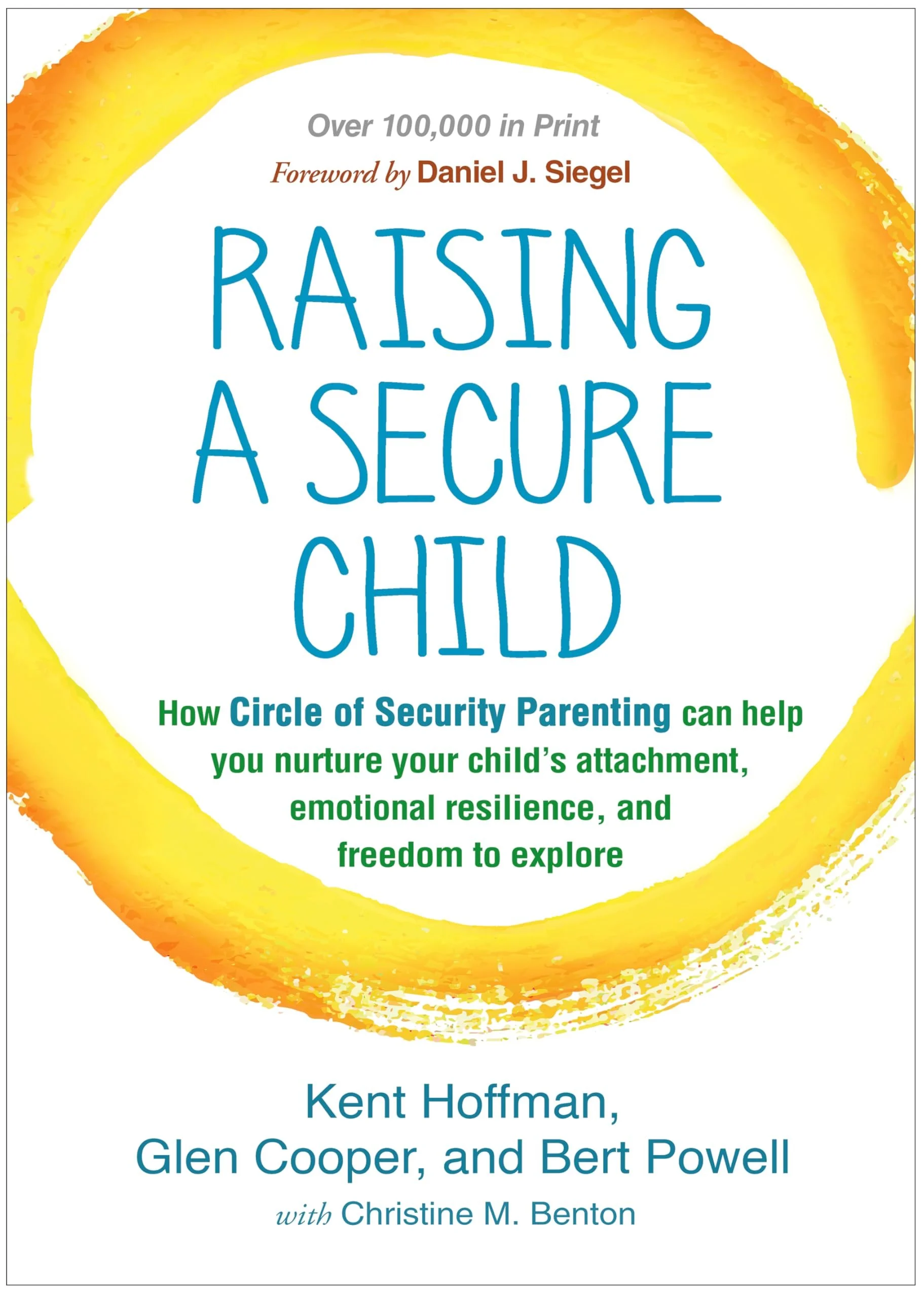
“Filled with vivid stories and unique practical tools, this book puts the keys to healthy attachment within everyone's reach--self-understanding, flexibility, and the willingness to make and learn from mistakes. Self-assessment checklists can be downloaded and printed for ease of use.
Explore:
(1) How to balance nurturing and protectiveness with promoting your child's independence.
(2) What emotional needs a toddler or older child may be expressing through difficult behavior.
(3) How your own upbringing affects your parenting style--and what you can do about it.” - Goodreads
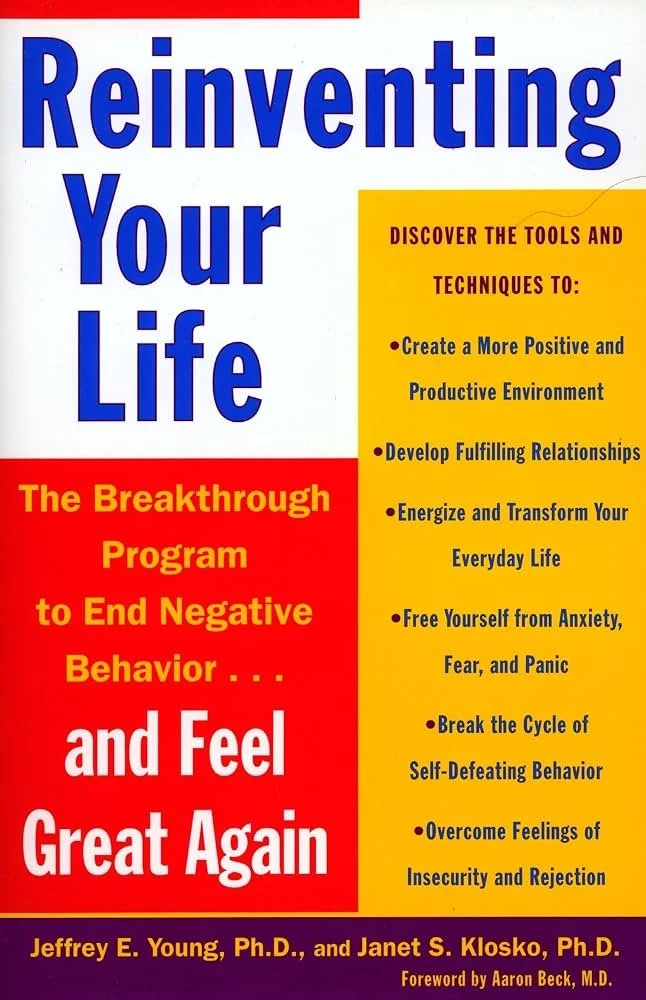
“Two of America's leading psychologists, Jeffrey E. Young, Ph.D., and Janet S. Klosko, Ph.D., show readers how to free themselves from negative life patterns. Written with compassion as well as clinical insight, this thought-provoking book guides readers through the process of identifying "life traps." For example, "Do you put the needs of others before your own? Are you drawn into relationships with people who are self-centered, cold to you, misunderstand you, or use you? Do you feel inadequate compared to people around you?" Followed by an engaging discussion that makes use of case studies, this book can help people change their lives by stopping the cycle of self-destruction.” - Goodreads

“"Good Enough Parenting" combines principles from schema therapy and the latest research with the Louis’ experiences as therapists, community leaders and parents to provide a thorough, practical, easy-to-read and well-reasoned guide. "Good Enough Parenting" introduces “Core Emotional Needs” and explains why meeting them is absolutely crucial for raising emotionally healthy children. Parents will gain insights into their own issues and learn how to avoid “Exasperation Interactions” as well as how to “Repair” after a conflict and Reconnect” with teenagers and adult children.” - Goodreads