Nature Society Singapore
Founded in 1954 and established as an independent non-profit organisation in 1991, the Nature Society Singapore (NSS) has long been dedicated to conserving Singapore's biodiversity and natural habitats. Working alongside government agencies, community groups, businesses, and regional partners, NSS advocates for the protection and restoration of ecosystems that support both environmental sustainability and the wellbeing of future generations.

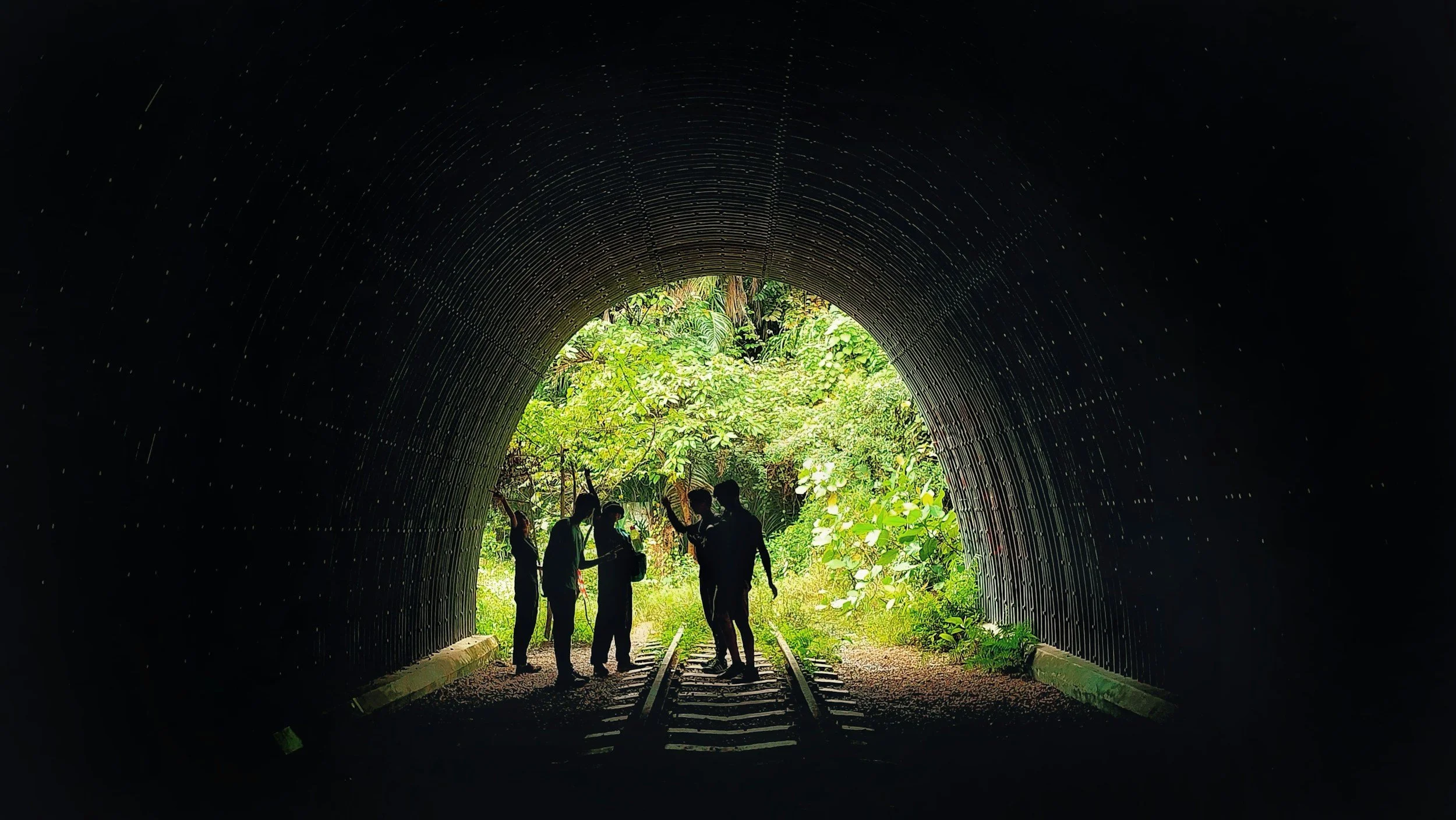
We are inter-connected
A growing body of evidence suggests that regular exposure to natural environments is associated with a range of psychological benefits, including reduced stress, improved mood, lower levels of depressive symptoms, and greater mental restoration. Research has found that even brief periods of "green exercise" - physical activity undertaken in natural settings, can lead to meaningful improvements in mood and self-esteem (Barton & Pretty, 2010). Broader reviews of the literature similarly indicate consistent associations between access to nature and positive mental health outcomes, despite differences in research methods across studies (Jimenez et al., 2021).
Importantly, emerging research suggests that it is not simply the presence of greenery that matters, but the quality and richness of the natural environment itself. Higher levels of biodiversity, including greater bird and tree diversity, have been associated with better self-reported mental health and wellbeing (Buxton et al., 2024). These findings suggest that psychologically restorative environments may be characterised not only by what we can see, but by the complexity, vitality, and interconnectedness of the ecosystems around us.
This distinction is particularly relevant in highly urbanised cities such as Singapore, where ongoing development and land-use pressures continue to shape the relationship between people and nature. While urban parks, therapeutic gardens, and green spaces can provide valuable opportunities for restoration and wellbeing, research suggests that the mental health benefits of nature are influenced by factors such as biodiversity, accessibility, and ecological integrity, rather than the mere presence of green space alone.
From this perspective, conservation can be understood as more than an environmental concern. Protecting habitats and preserving biodiversity helps sustain the ecological systems that contribute to psychological wellbeing, community resilience, and quality of life. As urbanisation continues to accelerate globally, efforts to balance development with habitat preservation may become increasingly important; not only for the health of ecosystems, but also for the mental wellbeing of the communities that depend upon them.
In this light, the work of the Nature Society Singapore extends beyond conservation advocacy. By protecting ecologically rich environments and fostering greater connection between people and nature, NSS contributes to the preservation of spaces that support both environmental and psychological flourishing.
From 18 April 2026 to 31 March 2027, donations to the campaign, Nature for All: Fundraising for Habitat Restoration, Education and Conservation Publications, will receive a 50% matching contribution under Tote Board's Enhanced Fundraising Programme, helping to further support habitat restoration, environmental education, and conservation efforts across Singapore.
References:
Barton, J., & Pretty, J. (2010). What is the best dose of nature and green exercise for improving mental health? A multi-study analysis. Environmental Science & Technology, 44(10), 3947–3955. https://doi.org/10.1021/es903183r
Buxton, R. T., Hudgins, E. J., Olszynski, M. L., Darlington, S., Edmonds, S., Fewer, D., & Martin, A. E. (2024). Mental health is positively associated with biodiversity in Canadian cities. Communications Earth & Environment, 5, Article 350. https://doi.org/10.1038/s43247-024-01482-9
Zhang, Y., Mavoa, S., Zhao, J., Raphael, D., Smith, M., & Van den Bosch, M. (2021). The association between green space and adolescents’ mental well-being: A systematic review. International Journal of Environmental Research and Public Health, 18(9), Article 4790. https://doi.org/10.3390/ijerph18094790